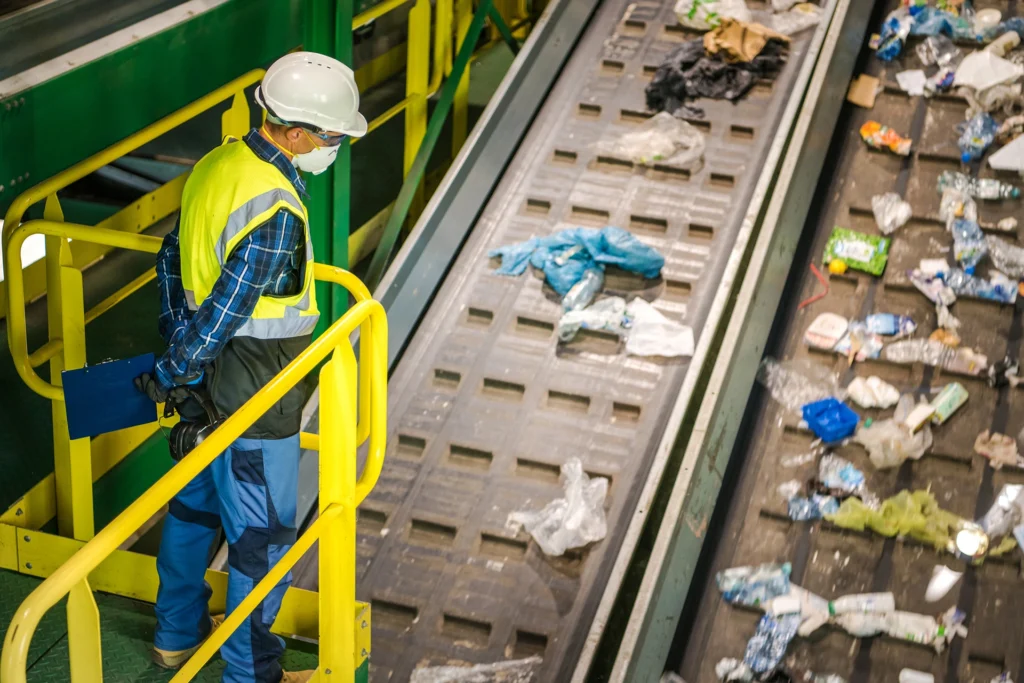
Designing systems that regenerate rather than deplete, we work across ecology, infrastructure, and innovation to deliver circular solutions rooted in local realities.
The systems that manage our food, water, energy, and waste are under increasing pressure. Built for efficiency at the time, many of these systems now struggle to meet today’s environmental, economic, and social demands. As climate risks grow, resources shrink, and regulations tighten, the gaps in traditional infrastructure are becoming harder to ignore.
Sustainability Engineering offers a way forward, not through quick fixes, but through smarter, more integrated design. It helps us move from fragmented solutions to systems that are efficient, adaptable, and environmentally sound. Especially in regions where resources are stretched and infrastructure is aging or inconsistent, we need approaches that balance long-term resilience with practical implementation.

Sustainability Engineering is about designing systems with environmental integrity at their core, from wastewater reuse to agrifood models that regenerate rather than deplete. It provides the technical backbone for building scalable, efficient, and locally relevant solutions.
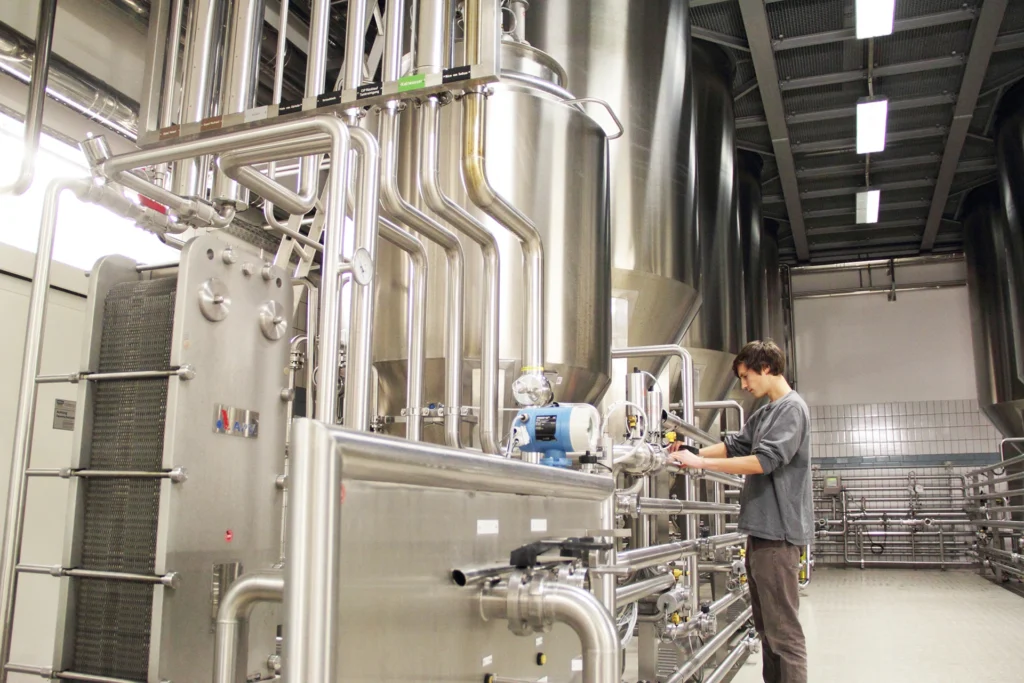
Fermentation plays a central role in our work, whether to preserve food, produce clean energy, or transform organic waste into valuable resources. We combine rigorous analysis with hands-on implementation, ensuring that every solution moves from concept to reality with lasting impact.
Our multidisciplinary network of specialists brings deep sector knowledge to every project, turning in-depth analysis into actionable strategies. We stay closely involved throughout implementation, making sure each solution is not just well-designed, but fully applied on the ground.